
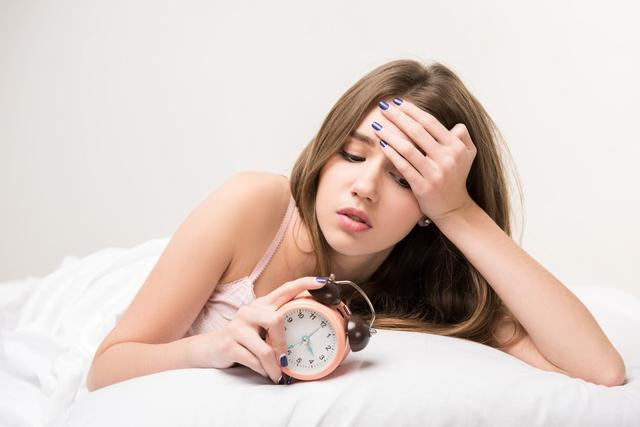
🩺 What Causes Insomnia?
Insomnia is not merely the inability to fall asleep — it’s often a sign of an internal imbalance. In Traditional Chinese Medicine (TCM), sleep disturbances arise from disharmony between the Heart, Liver, and Spleen meridians, leading to restless Shen (spirit).
Common TCM causes include:
- 💢 Liver Qi stagnation due to stress or emotional frustration
- 💧 Kidney Yin deficiency causing heat and restlessness
- 🔥 Heart fire or phlegm disturbing the spirit
- 🍽️ Improper diet and late-night screen exposure
From a modern view, insomnia may result from stress, irregular work hours, anxiety, or caffeine, but TCM views it through energy flow disruptions. At our akupunkturcenter in Frederiksberg, we assess each patient holistically — considering both physical and emotional triggers.
What Physical Symptoms Can Prolonged Insomnia Cause?
Sleep deprivation doesn’t just affect mood — it can damage the whole body. Prolonged insomnia can cause:
- 😵💫 Fatigue and poor concentration
- 💓 Heart palpitations
- 💆♀️ Headaches, dizziness, and muscle tension
- 🧠 Anxiety and depression
- 🩸 Weak immunity and hormonal imbalance
In TCM theory, blood deficiency and Qi stagnation are common after long-term insomnia. This means your organs don’t receive enough nourishment, resulting in irritability and constant dreaming. That’s why our Frederiksberg clinic, combining sygeplejepraksis (nursing) and TCM, focuses on restoring both physical and emotional balance — not just treating the symptom.
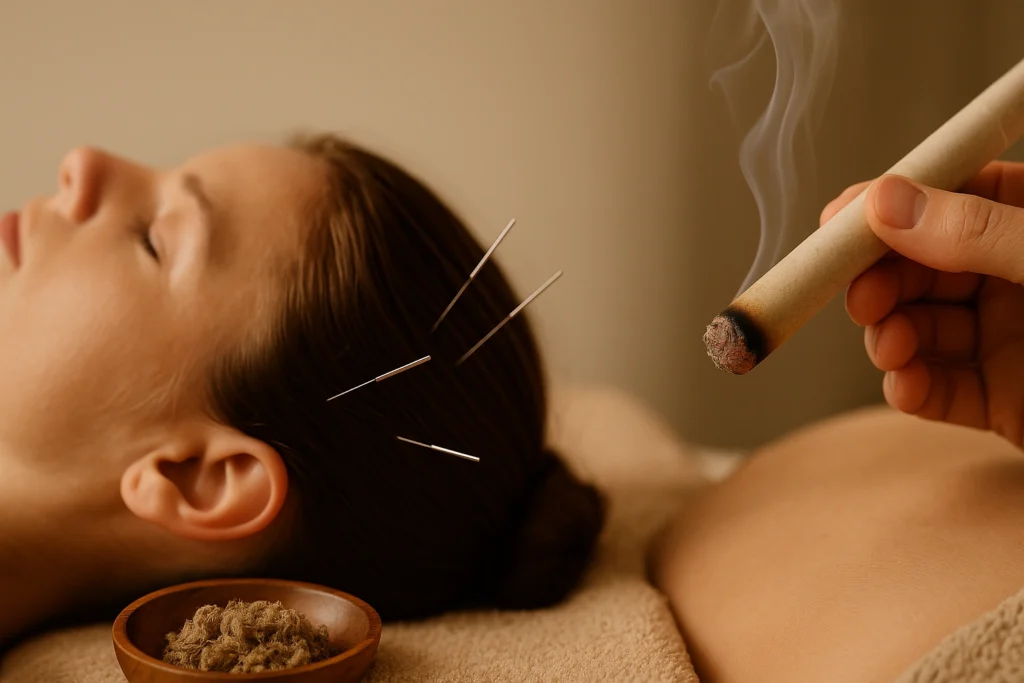
🪡 How Traditional Chinese Medicine Acupuncture Treats Insomnia
Acupuncture uses fine sterile needles to stimulate specific acupoints, regulate Qi and blood, and calm the Shen (spirit).
The most common points for insomnia include:
- 🌀 Shenmen (HT7): Calms the mind and relieves anxiety
- 🌿 Anmian (EX-HN22): Specifically targets sleep disturbance
- 💧 Sanyinjiao (SP6): Balances Yin energy and supports relaxation
- 🔥 Neiguan (PC6): Soothes the heart and improves mood
🔥 Which Is More Effective for Insomnia: Acupuncture or Moxibustion?
Both therapies can treat insomnia — but they work differently. Below is a comparison:
| 🔍 Treatment Type | 🌿 Acupuncture | 🔥 Moxibustion |
|---|---|---|
| Main Function | Regulates Qi, calms Shen | Warms meridians, nourishes Yang |
| Technique | Insertion of fine sterile needles | Burning moxa (mugwort) near acupoints |
| Best for | Anxiety, restlessness, overthinking | Cold limbs, fatigue, deficiency |
| Sensation | Light tingling or heaviness | Gentle warmth and comfort |
| Effectiveness | Excellent for acute insomnia | Better for chronic, cold-type insomnia |
👉 In many cases, our Frederiksberg TCM clinic combines acupuncture + moxibustion for the best therapeutic outcome. Patients often report immediate relief, reduced nightmares, and longer, more restful sleep after only a few sessions.
🌼 How Does Moxibustion Restore Sleep Balance?
Moxibustion works by warming and tonifying the body’s energy system. The burning of mugwort (Artemisia vulgaris) over specific acupoints stimulates circulation and balances Yin-Yang.
For people who feel cold, weak, or fatigued, this therapy nourishes Kidney Yang and supports deeper rest. The gentle aroma of moxa also helps release serotonin and melatonin, two hormones essential for quality sleep.
At our TCM-praksis in Frederiksberg, we personalize each moxibustion session depending on your constitution and lifestyle — ensuring the treatment aligns with modern healthcare and traditional wisdom.
🌙 Can You Combine Acupuncture With Lifestyle Adjustments?
Yes — acupuncture works even better with healthy habits!
💡 Here are our expert tips:
- 🫖 Avoid coffee or tea after 3 PM
- 📵 Reduce screen time before bed
- 🧘♀️ Try deep-breathing or meditation
- 🍎 Eat light dinners and avoid heavy foods at night
- 🛏️ Keep a regular sleep schedule
Most patients notice improvement after 3–5 sessions, but chronic cases may require 8–10. Treatment is personalized depending on your energy balance and emotional health.
Yes. In TCM, excessive dreaming indicates Heart and Liver imbalance. Acupuncture calms the nervous system, stabilizes emotions, and promotes deeper, dream-free sleep.
Absolutely. Our licensed TCM specialists in Frederiksberg use sterile, single-use needles in a calm, professional environment. Side effects are rare and mild, such as slight warmth or tingling.